
Do you need a permit for a portable toilet in Reno?
Usually not, if the unit sits on private property like a driveway, yard, or job site pad. Reno Porta Pros places most residential and construction units this way, no paperwork required. The situation changes fast once a unit needs to sit in the street, on a sidewalk, or blocks a curb cut. That's public right of way, and it needs city approval before the truck ever shows up. We've seen this trip up contractors doing a home renovation porta potty job where the driveway was too short and the only flat spot was curbside. If you're not sure which category your site falls into, our placement guide walks through the common scenarios, and our rental checklist covers what to check before delivery day.
Where can a unit legally sit on my property?
Anywhere reasonably flat and accessible, but a few practical rules apply before location. A standard unit runs about 44 by 48 inches on the ground and stands roughly 92 inches tall, so give it clearance from fences, low branches, and soft ground that could tip it. If you're renting a roll-off dumpster alongside the toilet, remember the truck needs about 60 feet of straight clearance behind it to place the box, which rules out a lot of tight urban lots. This matters as much in Reno proper as it does out toward Mogul, which sits about 5.9 miles southwest, or Sun Valley at 7.7 miles northeast, where longer gravel driveways sometimes solve the clearance problem better than curbside placement ever could. Check our dumpster permit requirements page if you're stacking a dumpster and a toilet on the same job.
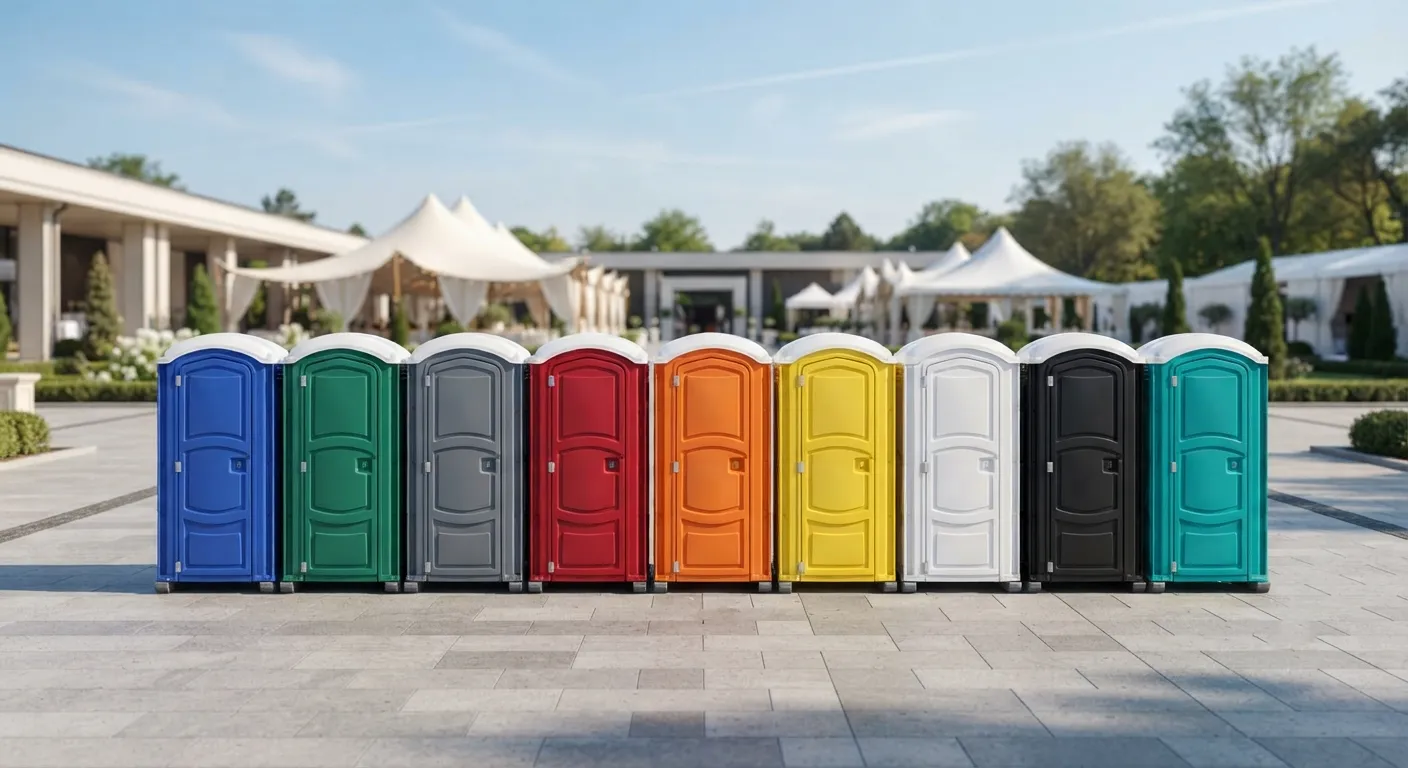
What about ADA accessible units and job site counts?
If your site has employees, OSHA 1926.51(c)(1) sets the baseline: one toilet facility for 20 workers or fewer, then one toilet seat and one urinal per 40 workers as the crew grows past 20, dropping to one per 50 once you hit 200 workers or more. That's a federal labor standard, not a city permit, but inspectors check it. Separately, ADA Standards section 213.2 requires that where portable units are clustered, at least 5 percent must be accessible, and never fewer than one unit even on a small job. An accessible unit needs a 60 inch turning circle per ADA Standards section 304.3.1 and a door opening of at least 32 inches under section 404.2.3. Our ADA accessible porta potty page has the full spec sheet, and the OSHA portable toilet requirements guide breaks down the worker ratios by crew size. For events instead of job sites, see event restroom rental or the ADA restroom requirements page.
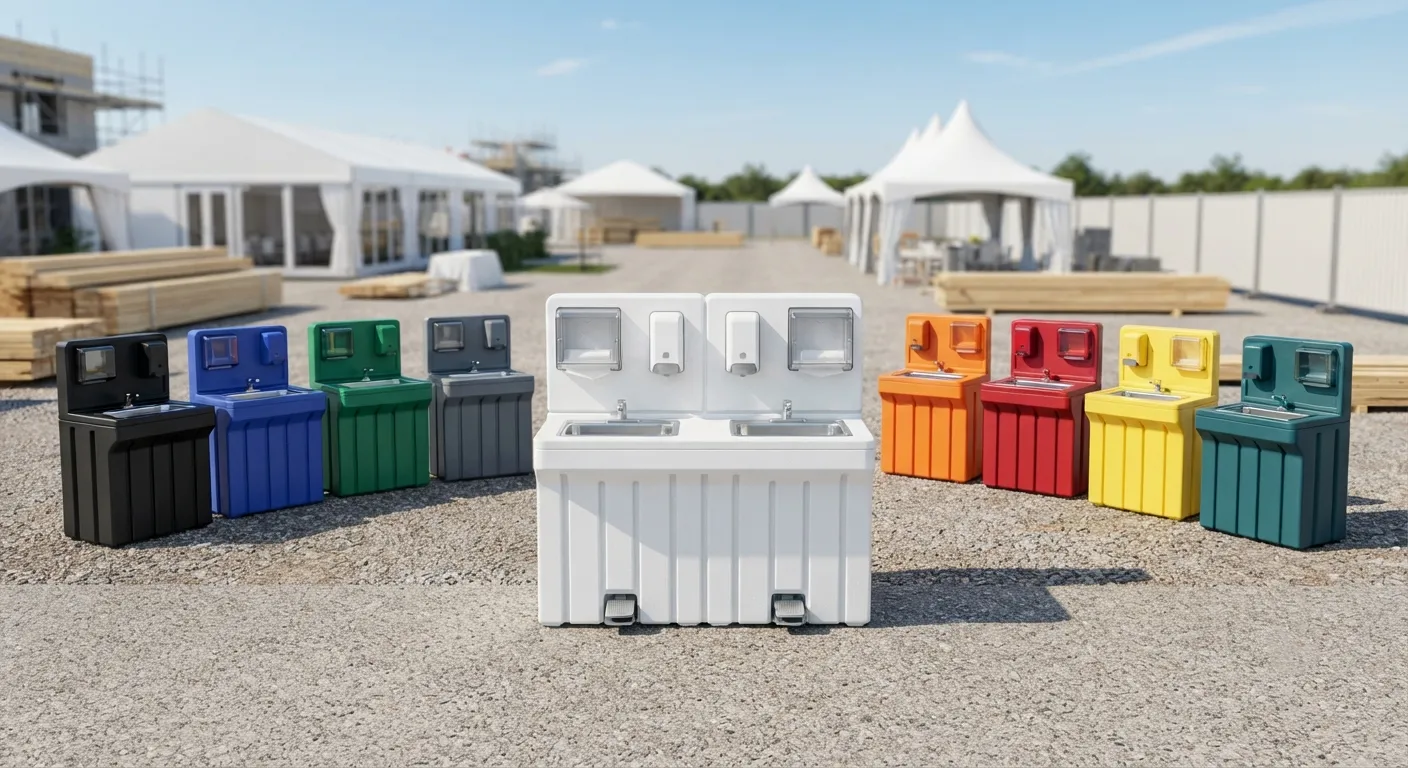
Do I need a permit for temporary power or a dumpster too?
Often yes, and it depends on where the equipment sits, not just what it is. A temporary power pole permit is typically required when a job needs electrical service before permanent power is run, since that's a code and inspection issue handled by the electrical department, and details vary enough by jurisdiction that we always confirm before scheduling. The same logic applies to a dumpster permit for anything placed on a street rather than a driveway or lot. This isn't unique to Reno. Jersey City and Delaware jurisdictions run similar systems: portable toilet rental in Delaware and roll-off dumpster rental in Delaware both require street placement approval in many towns, and a Jersey City dumpster permit is standard practice for curbside boxes there too. The pattern holds nationally: private property, no permit; public right of way, get it approved first. Our dumpster permit requirements page and temporary power pole page cover what we typically need from you to start that conversation, and construction site services ties the whole setup together for active job sites.
Placement and access rules that apply everywhere
| requirement | standard | source |
|---|---|---|
| accessible route width | 36 inches minimum | ADA Standards 403.5.1 |
| accessible door opening | 32 inches minimum | ADA Standards 404.2.3 |
| turning circle | 60 inch diameter | ADA Standards 304.3.1 |
| operable parts force | 5 lbs maximum | ADA Standards 309.4 |
| ramp slope | 1:12 maximum | ADA Standards 405.2 |
These apply whether the unit sits on a downtown Reno lot or out near Sparks, 9.2 miles east. Ground surfaces also need to be stable and slip resistant per ADA Standards section 302.1, which is why we avoid loose gravel or slope for any unit doing ADA duty. For a broader look at unit types and how they compare, start at portable toilet rental or the standard porta potty rental page.
Do porta potty rules and regulations cover placement near property lines?
There's no universal setback distance in our fact set, so we treat this case by case with the customer and the site. What matters most is stable, flat ground with clearance for service trucks. Ask us before delivery if your lot is tight.
Is a permit needed for a dumpster on the street in Reno?
Placement in the public right of way needs confirming with the city on a per-job basis. Driveway and private lot placement typically doesn't need one. We check this for every delivery so you're not the one finding out after a ticket.
How many toilets does my job site legally need?
OSHA 1926.51(c)(1) sets the minimum: one unit per 20 workers or fewer, scaling up from there. Our how many porta potties do I need guide runs the math for larger crews and mixed-gender sites.
Does a handwashing station need a permit too?
No permit, but OSHA 1926.51(f)(1) requires washing facilities specifically where workers apply paints, coatings, herbicides, or insecticides. See handwashing station requirements for full detail on when it applies.
Can Reno Porta Pros handle the permit paperwork for me?
We can point you to the right city contact and help describe the placement, but permit applications are handled between you and the city. Ask us early. We coordinate delivery timing around approval so nothing sits idle.
Next step
Get a delivery date
Tell us the address, the dates and the headcount. We size the order and confirm the route.